
While some homeowners may see working with fall leaves as an odious chore, a garden enthusiast sees rich organic matter being delivered for free to his or her lawn and garden. All it takes is a few passes with a lawnmower to reduce a big volume to a very manageable organic resource.
Leaf mulch is high in nutrient content and an extremely useful component in building rich organic matter in lawns and vegetable or flower beds. Just rake your leaf mulch into your garden beds and spread it evenly.
Although leaf mulch is a very natural nitrogen resource, it needs to interact with a carbon source to help it compost into a rich garden humus. Leaf mulch is also highly mobile in fall and winter winds; so, adding a layer of shredded wood mulch will hold it in place nicely.
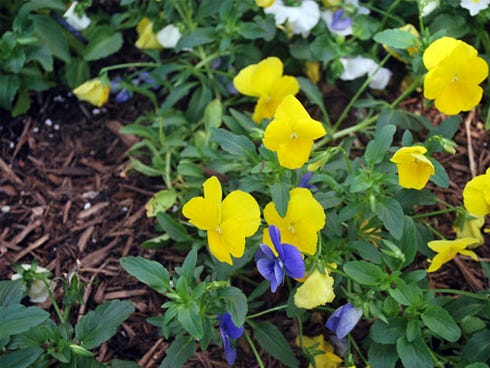
Shredded wood mulch is the perfect carbon source to interact with leaf mulch. It also retains moisture to promote composting, while insulating the ground to reduce freezing.
When spring rolls around, your leaf and wood mulch will be sufficiently decomposed to work into your soils and provide that extra kick to start spring planting off right.
Three helpful tips for fall mulching:
•Grind fall leaves with a mower to reduce particle size and improve decomposition.
•Cover leaves with shredded wood mulch to retain moisture and promote decomposition. Decomposed leaves and mulch add valuable organic humus to garden beds.
•As cold weather approaches, protect plant roots and bases with a blanket of shredded wood mulch to insulate them from ice and wind chill.
This article originally appeared on Crestview News Bulletin: Council offers mulching tips