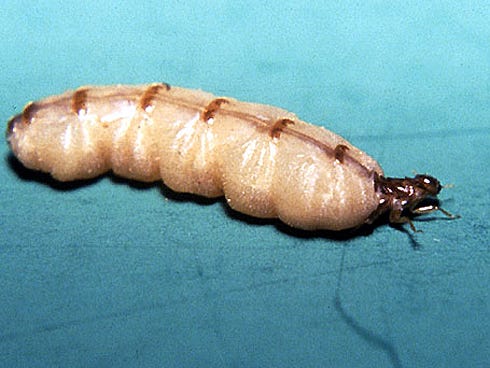

As the ant and termite swarm season begins, beware of this species.
Formosan subterranean termite — first described in Taiwan in the early 1900s — is the most widely distributed and economically important wood-destroying insect.
In New Orleans, where this termite species was introduced in the 1950s, the annual control and repair costs due to FST are estimated at $300 million.
A single FST colony may contain several million termites (versus several hundred thousand termites for native subterranean termite species) that forage up to 300 feet in soil.
Because of its population size and foraging range, FST colonies' presence pose serious threats to nearby structures. The FST, which generally invades structures from the ground, commonly enters through expansion joints, cracks and utility conduits in slabs. Any wood-to-ground contact is an inviting entrance for FST infestations.
Studies also found that the termite attacks many species of living plants. It attacks structural lumbers and living plants because they are cellulose sources.
However, this termite is also known to attack non-cellulose materials such as plaster, plastic, asphalt and thin sheets of soft metal (lead or copper) in search of food and moisture.
The combination of water and wood or other cellulose materials provides attractive conditions for the termite. Leaky plumbing, air conditioning condensate and any portion of the building that may collect excessive amounts of moisture should be corrected to maintain an environment less attractive to the termite.
Conventional method for control of subterranean termites, including the FST, is to place a chemical barrier between termites and the structure.
Because of an FST colony's large size, application of soil termiticide beneath a structure may not affect the overall population. Bait stations containing a monitoring device can be first installed in soil surrounding a home.
When termites are found in the station, the monitoring device is replaced with a tube containing pesticide bait. Termites feeding in the stations then carry baits to other colony members, leading to the entire colony population's demise. Trained pest control professionals should apply all baits.
Efficacy and claims of these commercial bait products may differ from one another. Read the fine print and ask questions. Many new Florida residents are unfamiliar with homeowner insurance related to Formosan termite damage.
Sheila Dunning is a Commercial Horticulture Extension agent at the Okaloosa County Extension office in Crestview.
—
LEARN MORE
Okaloosa, Santa Rosa and Escambia counties are known hot spots for Formosan subterranean termites. Florida’s temperate climate provides a perfect environment for termites, but signs of structural damage to a home may go undetected for long periods.
Learn more about the pest and how you can protect your home during a public meeting 5:30-7:30 p.m. Wednesday, April 15 at Niceville Community Center, 204 Partin Drive, Niceville. Contact Sheila Dunning, sdunning@ufl.edu or 689-5850, to register.
—
UPCOMING
'CONTROLLING TOMATO PESTS IN THE HOME GARDEN' SEMINAR: 9 a.m. to noon, April 2, Okaloosa County Extension Office, 3098 Airport Road, Crestview. Register: 689-5850.
LAWN CARE IN NORTHWEST FLORIDA SEMINAR: 10:30 a.m. April 7, Crestview Public Library, 1445 Commerce Drive, Crestview. Coffee and cookies served starting at 10 a.m. 682-4432 or 689-5850.
This article originally appeared on Crestview News Bulletin: This pest can cause plenty of damage in Northwest Florida