
CRESTVIEW — The number of homeless Florida children spiked by 13,000 from 2012 to 2013, according to a new study from the National Center on Family Homelessness.
Overall, almost 140,000 Florida children were homeless in 2013, the latest year for available data, according to the center. The study cites homelessness risk factors such as Florida's 28 births per 1,000 teens, a high likelihood of home foreclosure and that 10.9 percent of children lack health insurance.
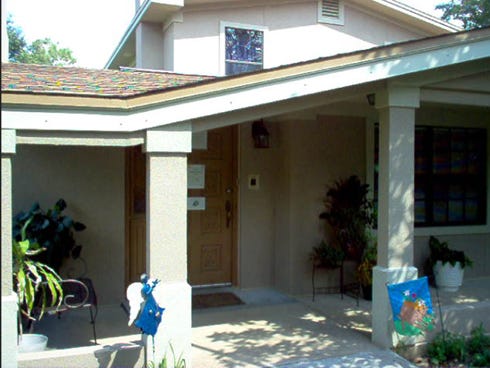
Lutheran Services Florida, a statewide nonprofit, is on a mission to help 10- to 17-year-olds who are homeless, runaways or having other difficulties. Hope House, LSF's northwest branch in Crestview, works to provide "hot meals, a caring environment and a safe place to sleep for children as long as it is needed," Patty Leonard, LSF vice president of programs, stated via email.
The 17-year-old shelter, located at 5127 Eastland Street, annually serves up to 150 residential at-risk youths with eight beds and counseling to non-residents from age 6 and up.
"We serve probably closer to 500 individuals annually, not just specifically shelter, but all the services together," Leonard said. "Crestview has been quite a generous community. They keep pretty good track of us and donating in support of the shelter."
Where do the kids come from?
"A lot of referrals come from schools, the Department of Juvenile Justice and designated Safe Places," or sites where employees "have been trained to keep children safe until a shelter can pick them up and get them unified with their families," said Sherry Swann, Hope House's clinical director.
Sometimes, parents who are having conflicts with their children will call Hope House themselves. "Sometimes the parents are so overwhelmed by their own concerns, (their children) get sidelined," Swann said.
Once residents' basic needs are met, a plan is formed to deal with other issues. Counseling, intervention, and follow-up programs from LSFand other agencies help keep most residents out of trouble after their stay.
"We have a very high success rate of over 85 percent of youths who leave the shelter are discharged to their families or another appropriate placement and they do not return to DJJ," Leonard said.
"That's our goal, to keep them out of those systems," Swann said.
Email Editorial Assistant Renee Bell, follow her on Twitter or call 850-682-6524.
This article originally appeared on Crestview News Bulletin: Shelter helps as child homelessness spikes